
Key Features of Contemporary House Design NZ
- helpmebuildnz
- Jan 12
- 4 min read

When it comes to designing a home that is both stylish and functional, contemporary house design in New Zealand offers a perfect blend of aesthetics and practicality. This style focuses on clean lines, open spaces, and a connection to the outdoors, making it ideal for modern living. Whether you are building a new home or renovating an existing one, understanding the key features of contemporary house design can help you create a space that is both beautiful and comfortable.
Understanding Contemporary House Design NZ
Contemporary house design in NZ is characterised by simplicity and a focus on natural materials. It often incorporates large windows to maximise natural light and create a seamless flow between indoor and outdoor spaces. This design style embraces innovation and sustainability, making it a popular choice for homeowners who want a modern yet eco-friendly living environment.
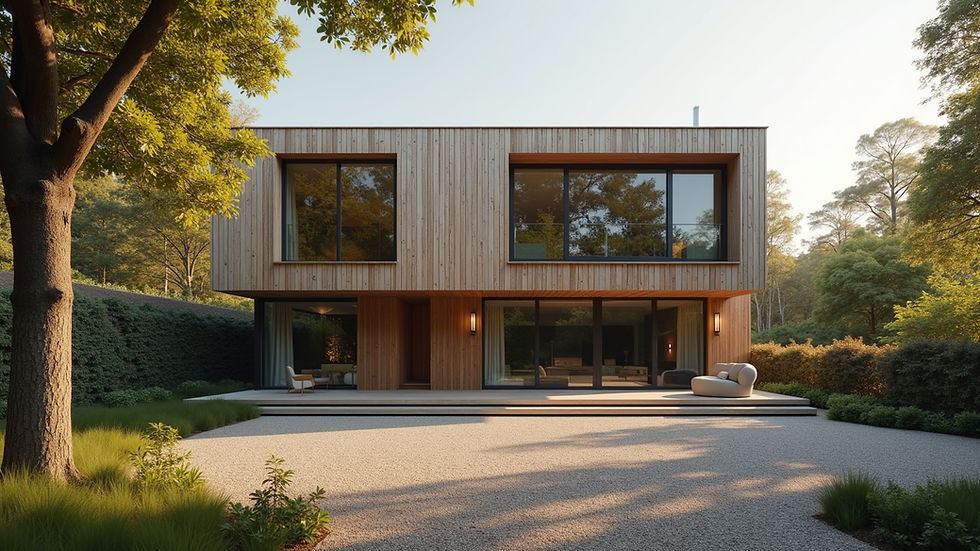
Some of the most common elements include flat or low-pitched roofs, open floor plans, and the use of materials like timber, glass, and steel. These features not only enhance the visual appeal but also improve the functionality of the home. For example, open floor plans allow for flexible use of space, which is perfect for families or those who enjoy entertaining guests.
Key Architectural Elements in Contemporary House Design NZ
The architecture of contemporary homes in New Zealand often reflects the country’s unique landscape and climate. Here are some architectural elements that define this style:
Open Floor Plans: These create a sense of spaciousness and allow for easy movement between rooms. They also encourage social interaction and make the home feel more connected.
Large Windows and Sliding Doors: Maximising natural light is a priority. Floor-to-ceiling windows and sliding glass doors help blur the boundaries between indoors and outdoors.
Natural Materials: Timber, stone, and concrete are commonly used to add texture and warmth to the design.
Flat or Low-Pitched Roofs: These roofs contribute to the sleek, minimalist look typical of contemporary homes.
Sustainable Features: Solar panels, rainwater harvesting systems, and energy-efficient appliances are often integrated to reduce environmental impact.
These elements work together to create homes that are not only visually appealing but also practical and environmentally responsible.
What are 5 characteristics of a modern home?
Modern homes share several defining characteristics that set them apart from traditional designs. Here are five key features:
Minimalist Design
Modern homes focus on simplicity and clean lines. Clutter is minimised, and every element serves a purpose.
Integration with Nature
Large windows and open spaces connect the interior with the surrounding environment, often incorporating gardens or outdoor living areas.
Use of Technology
Smart home systems, energy-efficient lighting, and advanced heating and cooling solutions are common in modern homes.
Functional Spaces
Rooms are designed for specific uses but can be adapted as needs change. For example, a home office might double as a guest room.
Sustainable Materials and Practices
Eco-friendly building materials and energy-saving features are prioritised to reduce the home’s carbon footprint.
These characteristics ensure that modern homes are comfortable, efficient, and adaptable to the lifestyles of today’s homeowners.

Interior Design Trends in Contemporary Homes
The interior design of contemporary homes complements the architectural style by emphasising simplicity and functionality. Here are some popular trends:
Neutral Colour Palettes: Whites, greys, and earth tones create a calm and inviting atmosphere.
Natural Textures: Wood, stone, and woven fabrics add warmth and interest without overwhelming the space.
Open Shelving and Built-ins: These provide storage while maintaining a clean look.
Statement Lighting: Modern pendant lights or recessed lighting highlight key areas and add a touch of sophistication.
Multi-functional Furniture: Pieces that serve more than one purpose help maximise space, especially in smaller homes.
By combining these elements, homeowners can create interiors that feel both modern and welcoming.
Practical Tips for Designing Your Contemporary Home
If you are planning to build or renovate a home with a contemporary style, consider these practical tips:
Plan for Natural Light
Position windows and doors to capture sunlight throughout the day. This reduces the need for artificial lighting and creates a bright, cheerful environment.
Choose Sustainable Materials
Look for locally sourced timber, recycled materials, and energy-efficient appliances to make your home eco-friendly.
Focus on Outdoor Living
Design patios, decks, or gardens that extend your living space and encourage outdoor activities.
Keep It Simple
Avoid unnecessary ornamentation. Let the quality of materials and the flow of space speak for themselves.
Incorporate Smart Technology
Automated lighting, heating, and security systems can improve comfort and convenience.
By following these guidelines, you can ensure your home is both stylish and practical.
Embracing the Future of Home Design
The future of home design is moving towards greater sustainability, flexibility, and integration with technology. Contemporary homes in New Zealand are at the forefront of this trend, offering designs that are not only beautiful but also responsive to the needs of modern living.
Whether you are drawn to the clean lines, the connection to nature, or the innovative features, contemporary house design offers a versatile and timeless approach to creating your ideal home. For those interested in exploring this style further, consider consulting with architects and designers who specialise in modern house design to bring your vision to life.
By embracing these key features, you can create a home that is not only a reflection of your personal style but also a smart investment for the future.


Comments